Great experience with this store. Excellent product at an excellent price, fast shipping, and personal
attention to communication. Made me very comfortable buying remotely! I am just getting into watches now and will certainly buy from them again!
L El
If I can describe my experience in one word, it is AMAZING.
Great communication and prompt responses to inquiries. Very professional jewelers and experts in their trade! I've gotten two items already from them to expand my favorite CyC collection and very happy with prompt delivery and prices. I'm their customer for life.
Alla
AM
A couple years ago I bought an AP Royal Oak from world of luxury us, all online and via phone call. It took a while maybe a month or two I don't remember quite well, could have even taken a bit more but I must admit, when I got my watch it was fully authentic and I was so happy with this company. I can't really remember the name of the person who assisted me but he was kind, courteous, and knowledgeable. I do highly recommend this these guys if you're looking to conduct business, all via online! Perhaps even soon enough I might just buy another precious time piece
KevinRodriguez
Placed an order on Sunday and received the watch on Tuesday. Shipped from Miami to Vancouver Canada. Exactly as described! Top notch seller with a nice selection of timepieces and competitive prices. I will definitely be ordering from them again.
shahruzebrahimzadeh
10/10 experience with Leonid. This is my first "lux" watch purchase, so there were many potential issues. Leonid was not pushy, and made my trade-in process smooth as butter.
This is a wonderful watch, despite being pre-owned. Absolutely mint, like-new. Came with box and papers despite originally listing as being watch only. The watch was shipped in in a secure package, with ample cushioning to ensure the watch came in working order.
Will continue to use World of Luxury for future purchases.
D W
Bought a Breguet marine, had exceptional communication regarding the purchase. Piece arrived in excellent condition.
BrendanLouie
I won't lie, watchmakers have done a good job of making you feel skeptical every time you don't go into a branded boutique and pay full retail (or more), but my experience with World of Luxury was a great one. I wanted to surprise my wife with a watch as a belated anniversary present, and after doing some research, decided on World of Luxury. Alex gave great customer service, quoted me 2-3 weeks for delivery, and ultimately got me the new watch I was looking for in under a week, saving me a few thousand dollars in the process.
TyDoyle
Very great experience - quality watch and excellent delivery process. Can recommend 100%!!
MichaelTzannes
Watch was as promised and delivered the next day in mint condition. Would purchase again
James
Very happy with their service. Their response to all my doubts were answered very quick and clear. Really excelente service by Leonid and Alex Very happy with my purchase. Im hoping to make future deals with them.
GiovanniVirzi
World if Luxury, Alex in particular, is phenomenal. Since a young age, I have dreamed of owning a Vacheron Constantin watch once I had “made it.” Alex helped me find my first proper watch, and was a pleasure to work with along the way. I hoped to find it in time for my wedding, and he made the dream a reality.
ChrisCrawford
These guys are pros: very efficient, products are as advertised, and the transactions happen quickly. Highly recommend buying a luxury timepiece from them, and I would not hesitate to do so again.
NeelK. Gupta
I'm always nervous the first time I make a major purchase with a new company, but World of Luxury was absolutely a pleasure to deal with. Prompt service, good communications, and a watch in great condition.
SamuelHughes
This is my second watch I purchased, they are very easy to deal with and professional. Watch is as advertised. I would recommend them for a watch purchase or trade
DaveForlenza
Highly recommend these guys. They are first rate! Honest, reliable and amazing service. When there's real money at stake, I wouldn't trust anyone else. Have bought several pricey time pieces from them and will never go anywhere else. Five stars all around.
AriTenzer
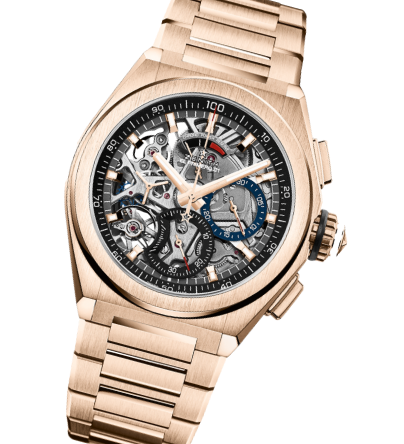
I had been searching for the Zenith Defy for over a month. Every place I tried were sold out with TBD wait times. Due to the popularity some places were even selling above standard prices. However, after much searching I came across World of Luxury. Not only was the watch on hand, but it was also at a reasonable price. Unlike other places who promised and under delivered, World of Luxury provided great service, speedy delivery, and a great product.
Thank you very much for all that you do for us watch nerds and enthusiasts!
BryantEchols
I was a bit skeptic but this place is fantastic! I noticed a watch I had my eye on was almost 2 thousand less here. Within an hour I had a call back and later that day had a next day overnight shipment on my new Zenith Defy Skyline. Excellent service and super fast shipping. On top of that when I got it sized this afternoon, the owner of the watch shop could not stop looking at it and complimenting me on it.
JerryCastellanos
First time buying a watch online so I was hesitate on who to trust. World of Luxury had legit photos of the watch I was interested in. When I received the watch the packaging was amazing. The whole unboxing was a great experience. Definitely recommend if you're looking for a watch to check their stuff out online. Will definitely be ordering from them again, hopefully in stores too!
Eric
The customer service, though remote out of necessity, was truly exceptional. The watch I bought was exactly as represented. I am very pleased with my entire purchase experience. And I will definitely buy future watches from this group.
BradleyWiskirchen
I have purchased 4 watches from World of Luxury and each time I have received prompt, courteous and professional service and a beautiful, exactly as described, and at a reasonable price. In one case, World of Luxury located and sold to me a limited edition Omega that I was seeking but I had been unable find it anywhere.I will continue to be a repeat World of Luxury customer.
AlAdams